How Land Orientation Affects Energy Efficiency in Your Future Home
When planning to build a new home, especially on a piece of land for sale, many factors need to be considered. One of the most important but often overlooked aspects is land orientation. The direction your land faces and how your home is positioned on that land can significantly influence energy efficiency, comfort, and long-term savings on utility bills. Understanding the impact of land orientation helps future homeowners make informed decisions that support sustainable living and reduce environmental footprints.
What Is Land Orientation and Why Does It Matter?
Land orientation refers to the positioning of a plot relative to the cardinal directions—north, south, east, and west. In the Australian context, where sunlight and climate vary across regions, this orientation affects how much sunlight your home receives throughout the day and year.
Proper orientation maximises natural light, aids passive heating and cooling, and minimises the need for artificial energy consumption.
Choosing a land for sale with favourable orientation or planning your home layout based on your land’s direction can drastically improve energy efficiency. For example, north-facing homes in Australia benefit from maximum sunlight exposure during winter, which can naturally warm the interior. Conversely, minimising direct west-facing windows reduces overheating in the hot afternoons of summer.
How Orientation Influences Heating and Cooling
Heating and cooling account for a substantial portion of a home’s energy use. With smart land orientation, you can leverage natural solar gain in winter and reduce heat build-up during summer, lessening reliance on heating, ventilation, and air conditioning (HVAC) systems.
In colder months, orienting living spaces towards the north allows sunlight to penetrate deep into the home, naturally raising indoor temperatures. Proper shading and eaves can then block excessive summer sun, keeping the house cooler. Conversely, east and west-facing windows may lead to uncomfortable heat gain in the mornings and afternoons, increasing cooling costs.
Wind direction is another important consideration. A well-oriented home takes advantage of prevailing breezes to improve ventilation and cooling without energy use. Choosing a land for sale that aligns with your region’s wind patterns can enhance this natural cooling effect.
Maximising Daylight and Reducing Artificial Lighting
Another energy-saving benefit of good land orientation is increased access to natural daylight. Properly positioned homes can enjoy balanced daylight throughout the day, reducing the need for artificial lighting and improving overall comfort.
North-facing windows, skylights, and light shelves can bring soft, consistent light into living spaces. This natural illumination not only saves electricity but also creates a healthier, more pleasant indoor environment. Rooms facing south tend to receive less direct sunlight but can still benefit from reflected light.
Poorly oriented homes may require excessive use of electric lights, especially in windowless or shaded areas, increasing energy consumption unnecessarily. When searching for land for sale, considering orientation helps avoid these inefficiencies.
Impact on Sustainable Building Materials and Design
Land orientation works hand-in-hand with other sustainable building practices, such as the use of energy-efficient materials and thoughtful home design. For example, thermal mass materials like concrete or brick absorb and store heat during the day and release it slowly at night, but they work best when exposed to sunlight in well-oriented homes.
By selecting a land for sale with good orientation and pairing it with proper insulation, shading devices, and ventilation, homeowners can significantly reduce their home’s overall energy demand. Architects and builders often recommend early planning of orientation during the design phase to optimise these elements.
Practical Tips for Choosing Land With Energy Efficiency in Mind
When looking for land for sale, it’s important to carefully investigate the plot’s orientation in relation to north and the path of the sun throughout the year. Take note of any natural shading from trees or nearby structures that may affect how much sunlight your home will receive. Additionally, understanding the prevailing wind directions can help you position your home to take advantage of natural ventilation, reducing reliance on mechanical cooling.
It’s also wise to check local regulations or guidelines concerning building setbacks and height restrictions, as these may influence how your home can be oriented on the land. Consulting with builders or designers who have experience in sustainable home design can provide valuable insight into how the land’s orientation will impact energy use. By considering all these factors before making a purchase, you lay the groundwork for creating an energy-efficient and comfortable home.
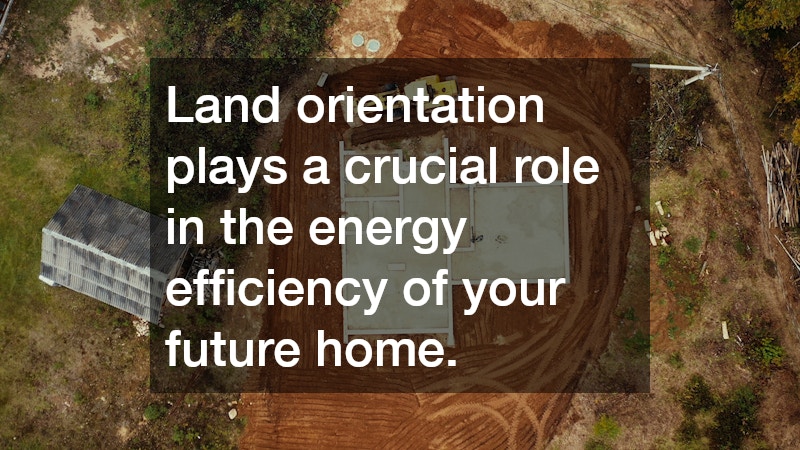
Land orientation plays a crucial role in the energy efficiency of your future home. Selecting the right land for sale and planning your home’s layout accordingly can lead to natural heating, cooling, and lighting advantages, significantly reducing energy consumption and costs. Beyond financial savings, these choices support sustainable living and enhance your home’s comfort throughout the year.
For anyone investing in a new home, understanding and prioritising land orientation is a smart step towards creating an environmentally responsible and energy-efficient living space. With thoughtful planning and the right land, your future home can be both comfortable and kind to the planet.