Exterior Renovations That Hold Up Against the Aussie Sun
In Australia, the sun is both our greatest asset and our home’s most persistent adversary. While we cherish the long summer days and the outdoor lifestyle that defines our national identity, the sheer intensity of the UV radiation and the relentless heat can wreak havoc on building materials. A standard renovation that might work in the Northern Hemisphere will often fail within a few seasons under the Australian sun. Therefore, when planning an upgrade, homeowners must think beyond mere aesthetics.
The goal of a successful exterior renovation in this climate is to build for resilience, thermal efficiency and longevity. By selecting materials that reflect rather than absorb heat, and by designing spaces that encourage natural airflow, you can create a home that remains a sanctuary even during a record-breaking heatwave.
Fortifying the Roof & Upper Structure
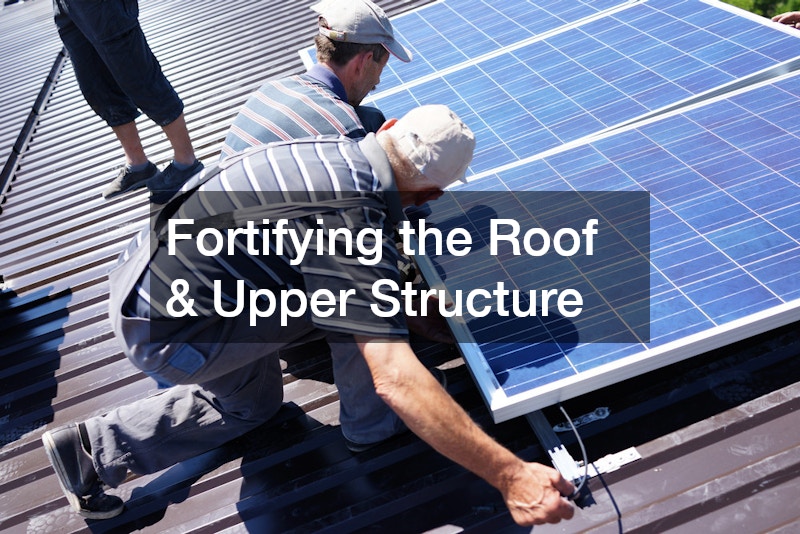
The roof is the most exposed part of any Australian dwelling, enduring direct overhead sunlight for the majority of the day. If your roof is compromised, your entire home’s energy efficiency plummets. Engaging in timely roof repairs is the first step in ensuring your home remains habitable during warmer months. Small leaks or cracked tiles might seem minor, but they allow moisture to compromise insulation, which in turn reduces the home’s ability to keep the heat out.
Beyond simple maintenance, consider the following structural enhancements:
- Light-Coloured Roofing: Choosing “Cool Roof” technology or simply opting for lighter shades of metal or tile can reflect solar radiation, significantly lowering the temperature of the ceiling cavity.
- Advanced Insulation: R-value matters. Upgrading to high-quality batts or reflective foil laminates creates a thermal break that prevents the sun’s energy from radiating into your living spaces.
- Active Ventilation: Solar-powered roof fans are an excellent addition; they automatically kick in when the roof space hits a certain temperature, exhausting hot air before it can settle.
Engineering the Ultimate Shaded Retreat
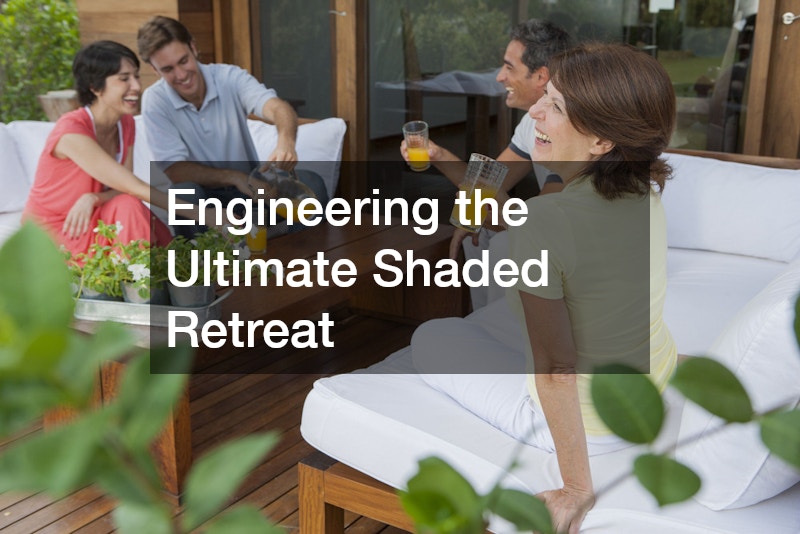
In the Australian context, a backyard without shade is essentially unusable for six months of the year. The key to a successful outdoor renovation is the creation of “living zones” that offer protection without sacrificing the breeze. Many homeowners find that installing high-quality awnings over windows and glass doors is the most effective way to prevent the “greenhouse effect” inside their homes.
By stopping the sun before it even hits the glass, you can reduce internal temperatures by several degrees. For those looking to extend their actual floor plan, permanent structures are a popular choice. Modern patios have evolved significantly from the simple corrugated iron lean-tos of the past.
Today’s designs often feature insulated roofing panels and integrated lighting, providing a sophisticated space that feels like an indoor room but enjoys the benefits of the open air. When these structures are positioned to catch the prevailing coastal or gully breezes, they become the primary hub for family life.
Sustainable Power & Environmental Cooling
As electricity prices continue to fluctuate, the Australian sun provides a golden opportunity to offset the cost of running air conditioning. Integrating solar energy into your exterior renovation is one of the smartest financial moves a homeowner can make. Beyond the obvious benefit of powering your home, panels mounted on the roof can actually provide an additional layer of shading for the roof surface itself, adding a secondary cooling effect.
However, mechanical cooling is only one part of the equation. The materials you choose for your ground cover and landscaping are equally vital. Hardscaping—such as concrete paths, stone pavers and brick driveways—acts as a thermal mass. These materials soak up the heat all day and radiate it back into your home well into the night. To combat this, smart renovators are turning back to nature.
Consulting with local turf suppliers allows you to select grass varieties that are specifically bred for the Australian climate. Varieties are designed to thrive on minimal water while staying green and cool underfoot. A well-maintained lawn can be much cooler than bare soil and significantly fresher than synthetic grass or paving, acting as a natural evaporative cooling system for your entire block.
Choosing Materials for Longevity
When selecting finishes for your renovation, “UV-rated” should be your most-searched term. Standard timbers, for example, will grey and crack within months if not treated with high-quality oils or replaced with composite decking. Composite materials, made from a blend of recycled wood fibres and polymers, are increasingly popular because they don’t warp or rot and require far less maintenance than traditional Jarrah or Spotted Gum.
Similarly, when painting your exterior, look for “solarcote” technologies. These paints contain ceramic microspheres that help dissipate heat. Even your choice of window frames matters; uPVC or thermally broken aluminium frames are far superior to standard metal frames, which can become hot enough to touch and transfer that heat directly into your curtains and carpets.
A renovation that respects the Australian sun is an investment in both comfort and capital value. By prioritising high-performance roofing, strategic shading and natural cooling elements like drought-resistant turf, you create an environment that is as sustainable as it is beautiful.
These choices not only lower your utility bills but also ensure that your home’s exterior remains vibrant and structurally sound for decades. In a country of extremes, building with the climate is the ultimate hallmark of a successful renovation.